
The moment a doctor mentions the word “surgery,” time seems to stand still. Your heart likely races, and a cloud of “what ifs” begins to gather in your mind.
As a surgeon who served as a Major in the medical corps, I have seen this look in the eyes of many brave women. However, please take a deep breath and center yourself. You are not just a patient on a chart; you are a woman on the cusp of reclaiming her vitality.
Gynaecological surgery is not an admission of defeat. Instead, it is a strategic maneuver toward a life free from chronic pain, discomfort, and uncertainty. Whether we are addressing fibroids, endometriosis, or persistent cysts, this guide serves as your tactical briefing for a successful recovery.
📺 Watch the Video Guide:
Need a quick summary? Watch our visual roadmap to understand the 3 phases of your surgical recovery journey.
The Global Landscape: You Are Not Alone
It is natural to feel isolated when facing a medical procedure. Nevertheless, global health data reveals that gynaecological conditions are a significant public health priority.
According to the World Health Organization (WHO), millions of women worldwide undergo surgical interventions annually to improve their quality of life. Furthermore, the Centers for Disease Control and Prevention (CDC) reports that approximately 600,000 hysterectomies are performed each year in the United States alone.
Uterine fibroids, for instance, affect up to 80% of women by age 50. These statistics are not meant to overwhelm you. On the contrary, they prove that the path you are walking is well-trodden. Modern medicine has refined these procedures into highly safe, routine interventions.
Understanding the ‘Why’ of Gynaecological Surgery
In my years of military service, I viewed obstacles as things to be moved so the mission could succeed. In women’s health, conditions like fibroids or cysts are the obstacles. They block your path to a full, active life.
1. Uterine Fibroids
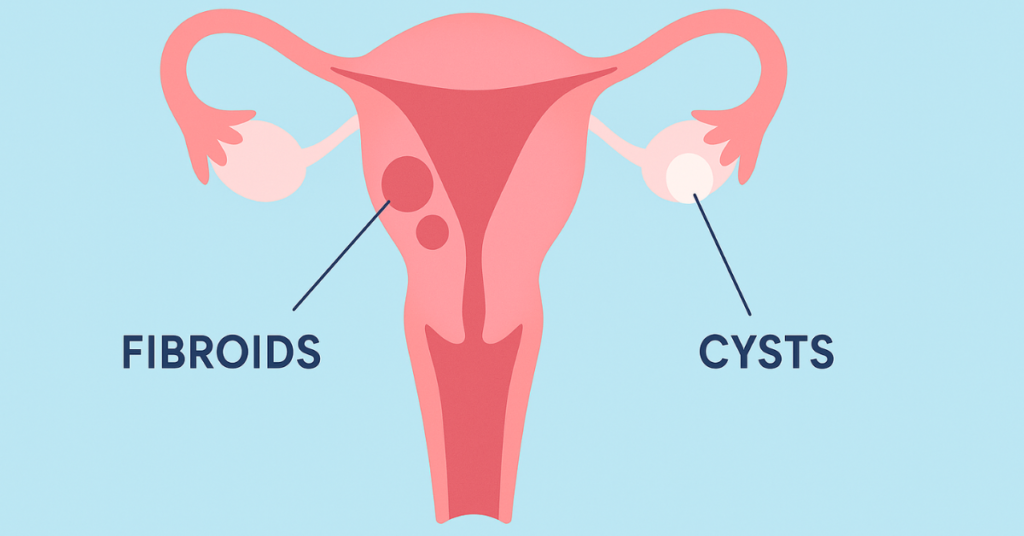
These non-cancerous growths can cause debilitating pain and heavy bleeding. Think of them as uninvited guests in your home. Consequently, the only way to restore peace is often to ask them to leave.
2. Endometriosis
This condition involves tissue similar to the uterine lining growing elsewhere. It is a persistent foe that requires precise intervention to alleviate chronic pelvic pain.
3. Ovarian Cysts
While many cysts resolve on their own, some become “persistent offenders.” If they pose a risk of rupture, gynaecological surgery becomes the necessary tactical response to protect your health.
Myth-Busting: Deconstructing the Stigma
Fear often stems from misinformation. As an Ex-Major, I value intelligence and truth above all else. Let us debunk common myths:
- Myth: Surgery makes me “less” of a woman.
- Fact: Your womanhood is defined by your strength and spirit—not by an organ. Removing a source of pain only makes you more powerful.
- Myth: The recovery will take months.
- Fact: With modern advancements, most patients return to light activities within two weeks.
- Myth: Open surgery is the only way.
- Fact: We live in an era of “Modern Precision.” Minimally invasive techniques are now the global gold standard.
Path to Clinical Clarity: The Surgeon’s Roadmap
To achieve victory, one must have a clear plan. My approach follows a rigorous framework informed by the Mayo Clinic.
Phase 1: Strategic Preparation
Before we enter the operating theater, we gather intelligence. This includes diagnostic imaging and blood panels to ensure your body is “combat-ready.” Moreover, we engage in pre-surgical counseling so no question goes unanswered.
Phase 2: Modern Precision (Laparoscopy)
Whenever possible, I utilize Laparoscopic or “Keyhole” surgery. This method involves tiny incisions and a specialized camera.
Consequently, you experience reduced trauma and less blood loss. Because the incisions are small, you return to your family and your life much faster.
Phase 3: The Healing Phase
Recovery is a disciplined process. In the first 48 hours, we focus on pain management and early mobility.
Walking shortly after surgery significantly reduces the risk of blood clots. Therefore, we encourage gentle movement as part of your post-op orders.

FAQ: Common Questions About Gynaecological Surgery
For laparoscopic procedures, many patients go home the same day. However, for major abdominal surgery, a stay of 2–3 days is standard for monitoring.
Most women return to desk work within 14 days. Nevertheless, heavy lifting or high-impact exercise is usually restricted for 6 weeks to ensure internal healing.
This depends on whether the ovaries are removed. If we perform a myomectomy or a hysterectomy that spares the ovaries, your hormones will remain largely unchanged.
Absolutely. Hormonal shifts and surgical stress can cause “mood waves.” I encourage you to treat yourself with motherly warmth during this transition.
Your Wellness Checklist: The Mission Objectives
Use this list to prepare for your journey:
- [ ] Organize Your ‘Home Base’: Prepare a recovery area with pillows and essentials within reach.
- [ ] Nutritional Fuel: Stock up on high-fiber foods to aid digestion post-surgery.
- [ ] Support Squad: Arrange for help with chores for the first 48 hours.
- [ ] Question List: Write down every concern for our final pre-op meeting.
- [ ] Mental Readiness: Practice breathing exercises to manage pre-surgery jitters.
A Final Word from Dr. Shabnam Rahman
In the military, we say “the only way out is through.” But you do not have to walk through it alone. My mission is to provide you with the surgical precision of an officer and the nurturing care of a mother.
Gynaecological surgery is the bridge from “coping” with pain to “thriving” in health. Stand tall; your health is our priority.
Take the Next Step Toward Healing
Local Care: Visit Dr. Shabnam Rahman’s clinic for a personalized evaluation. Let’s build your roadmap together.
Global Care: Book a Video Consultation from anywhere in the world to receive expert guidance from the comfort of your home.