
The moment you see those two pink lines, your world shifts. It is a moment defined by a dizzying cocktail of pure joy, sudden anxiety, and a thousand questions swirling at once. As a physician with a background in Public Health, I’ve sat across from countless expectant mothers, holding their hands as they navigate this transition.
This Healthy Pregnancy Guide isn’t just a clinical manual; it’s a profound human roadmap. While your body performs the quiet miracle of knitting together a new life, your mind is often racing to keep up. My goal today is to bridge that gap between clinical data and maternal intuition, providing you with insights that are as scientifically rigorous as they are deeply personal.
Watch the Full Video Guide: Want to hear these tips in detail? Watch this comprehensive video guide by Dr. Shabnam Rahman to gain more clarity on your pregnancy journey.
The Global Landscape of Maternal Health
Understanding pregnancy begins with looking at the bigger picture. We are currently in an era where maternal health is a global priority. According to the World Health Organization (WHO), while significant strides have been made, approximately 800 women die every day from preventable causes related to pregnancy and childbirth.
In the United States, the Centers for Disease Control and Prevention (CDC) emphasizes that prenatal care is the cornerstone of reducing these risks. Using a Healthy Pregnancy Guide to monitor your progress is essential for early intervention.
- Prevalence: Roughly 211 million pregnancies occur annually worldwide.
- Early Intervention: Women who do not seek prenatal care are three times more likely to have a low-birth-weight baby.
- Nutrition Gap: Iron-deficiency anemia affects nearly 40% of pregnant women globally, highlighting the need for targeted supplementation.

Myth-Busting: Separating Folklore from Physiology
One of the most challenging aspects of pregnancy is the “noise”—the unsolicited advice from well-meaning relatives and internet forums. In my previous work on Infertility Myths vs. Facts, I discussed how misinformation can cause unnecessary stress; the same applies to your nine-month journey.
Myth 1: You Must “Eat for Two”
This is perhaps the most persistent myth. In reality, during the first trimester, your caloric needs don’t change much at all. The Mayo Clinic notes that most women only need about 340 extra calories in the second trimester and about 450 extra in the third. It’s about nutrient density, not volume.
Myth 2: Exercise is Dangerous
Unless you have a specific medical contraindication like placenta previa, the CDC actually recommends at least 150 minutes of moderate-intensity aerobic activity per week. Movement helps manage gestational diabetes risk and eases the physical strain of labor.
Myth 3: Heartburn Means Your Baby Has Lots of Hair
While a fun old wives’ tale, heartburn is actually caused by the hormone progesterone, which relaxes the valve between your esophagus and stomach.
The Path to Clinical Clarity: Dr. Shabnam’s Expert Advice
Navigating the trimesters requires a blend of proactive monitoring and lifestyle shifts. This Healthy Pregnancy Guide focuses on three pillars of clinical clarity derived from years of public health experience.
1. The Power of Micronutrients
The foundational element of a healthy pregnancy is folic acid. According to the CDC, taking 400 micrograms (mcg) of folic acid daily before and during early pregnancy can help prevent major birth defects of the baby’s brain and spine.
- Iron: Vital for the increased blood volume your body produces.
- Calcium & Vitamin D: Essential for the baby’s skeletal development.
- DHA/Omega-3s: Crucial for fetal brain and retinal development.
2. Monitoring the Milestones
The WHO recommends a minimum of eight antenatal contacts to reduce perinatal mortality. During these visits, we monitor:
- Blood Pressure: To screen for Preeclampsia.
- Blood Glucose: Typically screened between weeks 24 and 28 for Gestational Diabetes.
- Fetal Growth: Using fundal height measurements and ultrasounds.
3. Mental Health is Maternal Health
We often talk about the body, but the mind undergoes equal strain. Postpartum depression often starts during pregnancy (perinatal depression). This Healthy Pregnancy Guide encourages you to seek help if you feel persistent sadness or anxiety.
Healthy Pregnancy Checklist: Your Action Plan
To help you feel more in control, I’ve designed this actionable checklist as part of this Healthy Pregnancy Guide:
- [ ] Prenatal Vitamin: Take it at the same time every day (with food if you feel nauseous).
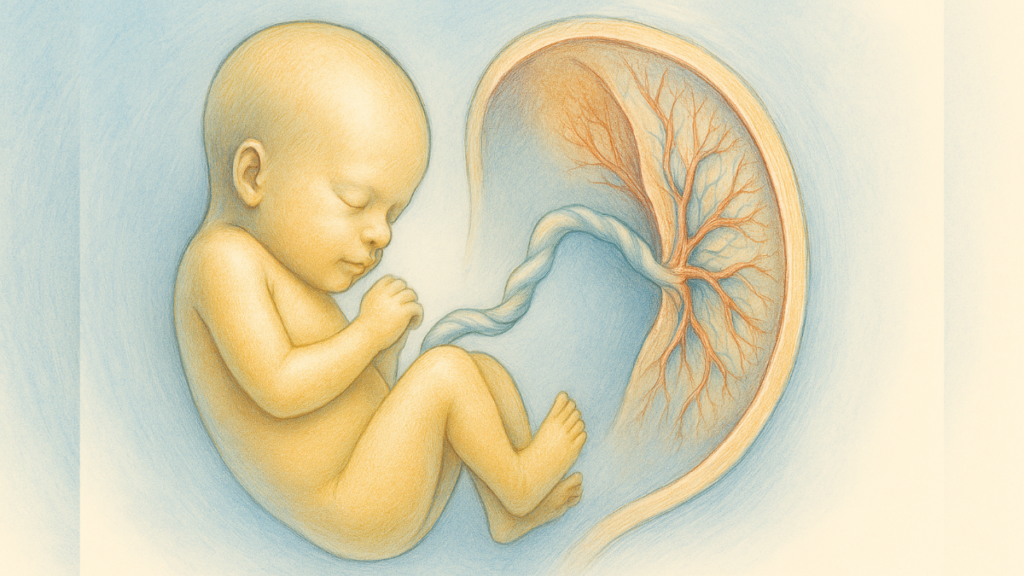
- [ ] Hydration: Aim for 8-10 glasses of water. Your amniotic fluid levels depend on it!
- [ ] Safe Movement: Walk for 20 minutes or try prenatal Pilates.
- [ ] Sleep Hygiene: Invest in a pregnancy pillow; sleeping on your left side optimizes blood flow to the placenta.
- [ ] Limit Caffeine: Keep it under 200mg per day (roughly one 12oz cup of coffee).
- [ ] Kick Counts: In the third trimester, get to know your baby’s patterns.
Frequently Asked Questions (FAQ)
A: Yes, but in moderation. The American Pregnancy Association suggests limiting caffeine to under 200mg daily. High caffeine intake has been linked to lower birth weights in some studies.
A: Generally, the second trimester (weeks 14-28) is the ideal time to travel. Most airlines allow travel up to 36 weeks, but you should always consult your doctor first, especially for long-haul flights where the risk of blood clots (DVT) is higher.
A: Mild cramping is common as your uterus expands. However, if the cramping is severe, accompanied by bleeding, or localized to one side, you should contact your medical team immediately to rule out complications.
A: To prevent infections like Listeria and Toxoplasmosis, avoid unpasteurized cheeses (brie, feta), raw seafood (sushi), deli meats (unless heated to steaming), and undercooked eggs.
Final Thoughts from Dr. Shabnam
Pregnancy is a marathon, not a sprint. There will be days of glowing radiance and days of profound exhaustion. Both are valid. My role is to ensure that while you focus on the love and the “nursery planning,” I am focusing on the science that keeps you and your baby safe.
You are stronger than you realize, and you are not walking this path alone.
Let’s Connect
Whether you are just starting your journey or are nearing your due date, personalized care makes all the difference.
- Local Care: If you are in the area, please visit my clinic for a comprehensive prenatal evaluation. Let’s build your birth plan together.
- Global Care: No matter where you are, you can access expert advice. Book a Video Consultation from anywhere in the world.